


The Miyoo Mini v4, released in 2022, quickly became a reference point among small consoles, dominating the segment with a clear proposal: combining nostalgia, practicality, and performance. Recognized as one of the best compact options, the v4 version promises to deliver all that with even more style, keeping its focus on retro emulation, intuitive interface, and excellent portability. In this review, we’ll see if this fourth version remains a relevant and functional choice in 2025.
Miyoo Mini v4 Design: Compact and Elegant
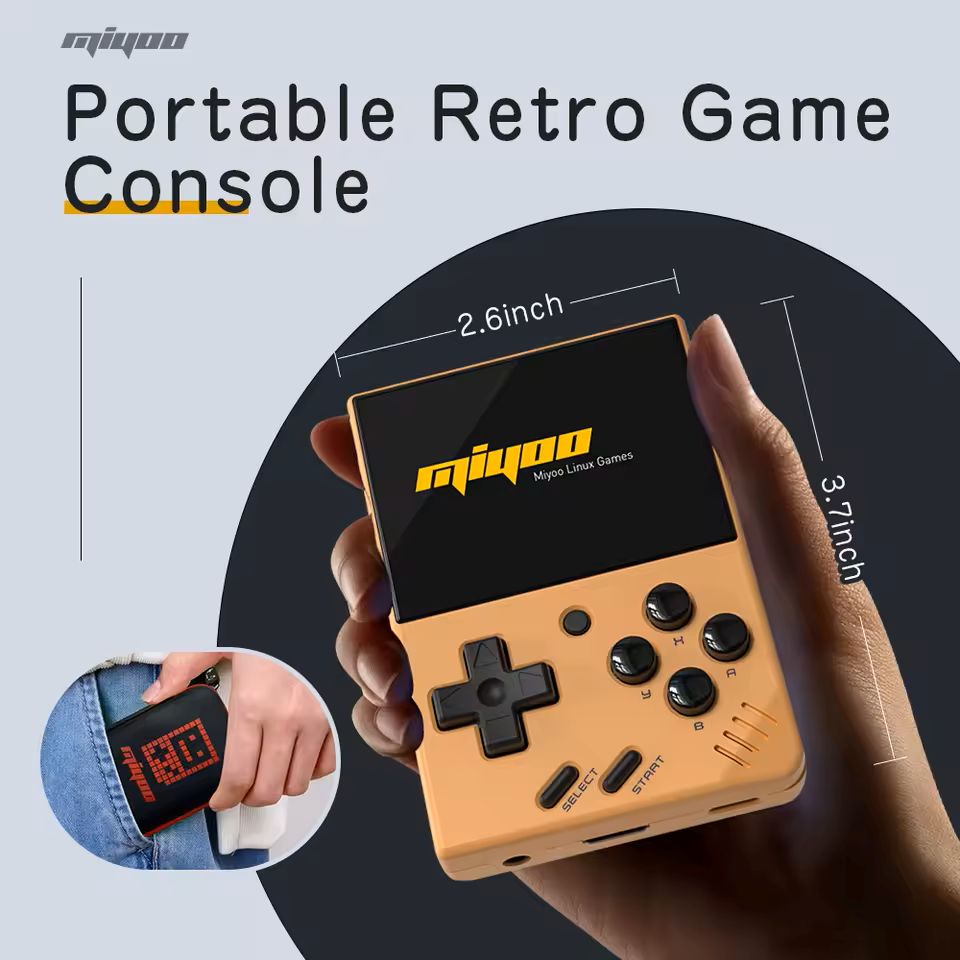
The design of the Miyoo Mini v4 is one of its biggest highlights, blending extreme portability with a surprisingly ergonomic grip. Measuring just 93 mm wide, 65 mm tall, and 18 mm thick, it fits easily in your pocket—making it the ideal companion for retro gaming anywhere. Its lightweight build of 106 grams ensures comfort even during longer sessions, without causing hand fatigue. The use of high-quality ABS plastic reinforces the sense of durability and gives the console a touch of subtle sophistication.
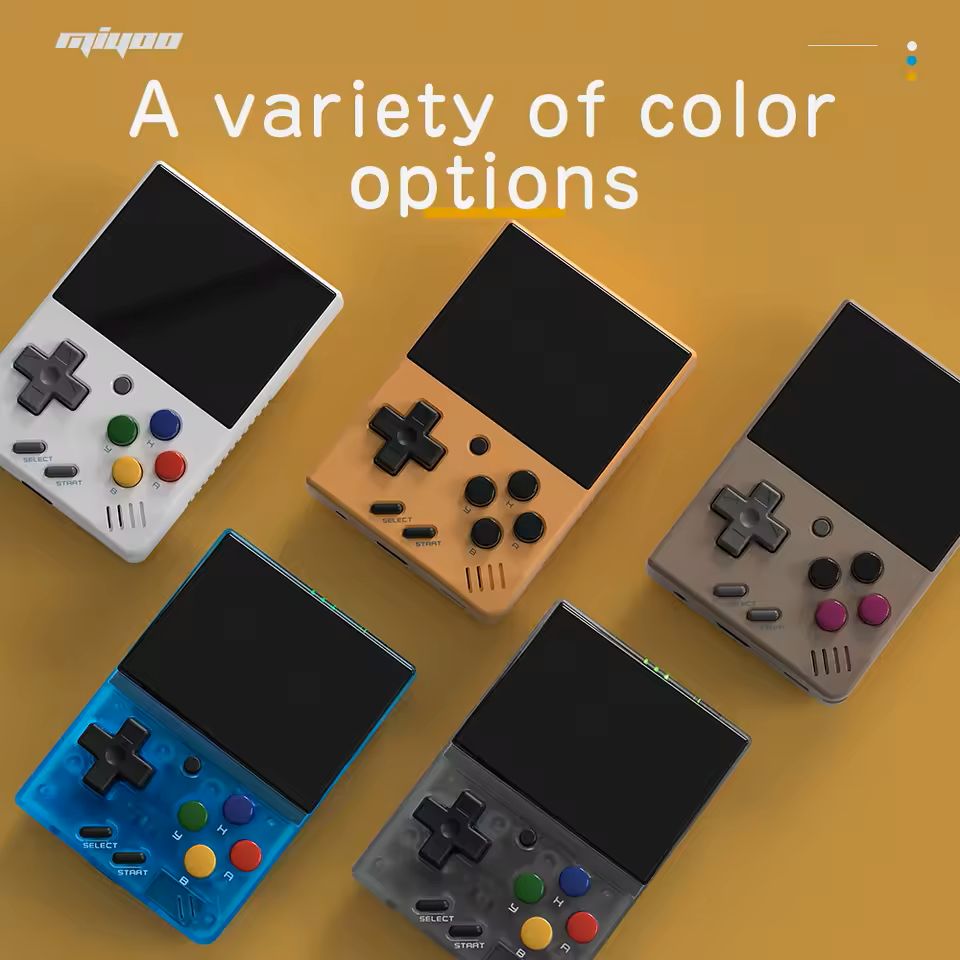
Color options like yellow, retro gray, white, transparent blue, and transparent black let users choose a style that matches their personality, keeping the look nostalgic yet modern.
Miyoo Mini v4 Controls: Precision in Miniature
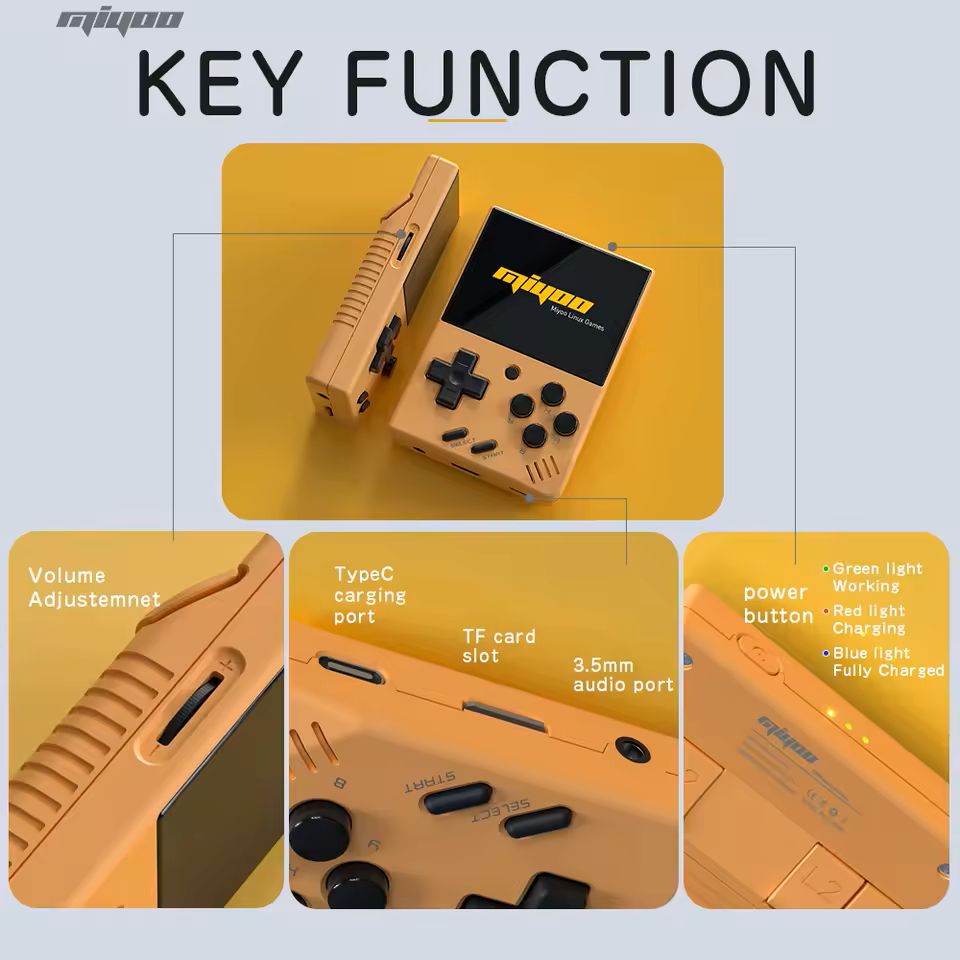
The controls on the Miyoo Mini v4 impress with their responsiveness and comfort, even within such a compact space. The D-pad stands out for being firm and precise, offering excellent performance in platformers and fighting games where input accuracy is essential. The A, B, X, and Y buttons have a pleasant tactile click, evoking the feel of classic '90s controllers and reinforcing the console’s nostalgic appeal.
The shoulder buttons (L1, L2, R1, R2) are well-positioned considering the device’s small size. That said, they may require some adjustment for users with larger hands, especially in games that frequently use these buttons. Still, the overall button setup delivers a solid experience, with good distribution and physical feedback, maintaining the balance between portability and functionality.
Miyoo Mini v4 Connectivity: Wi-Fi and USB-C
The Miyoo Mini v4 offers connectivity beyond the basics, efficient for its intended use. The main upgrade is the USB-C port, which ensures faster charging and data transfer, making daily use more convenient. It also retains the classic 3.5mm headphone jack.
Another strong point is the built-in Wi-Fi, an essential feature for firmware updates, game syncing, and functions like Netplay multiplayer and RetroAchievements. This connectivity expands the console’s possibilities, allowing users to explore online features and keep the system up to date.
Miyoo Mini v4 Display: Sharpness and Visual Fidelity
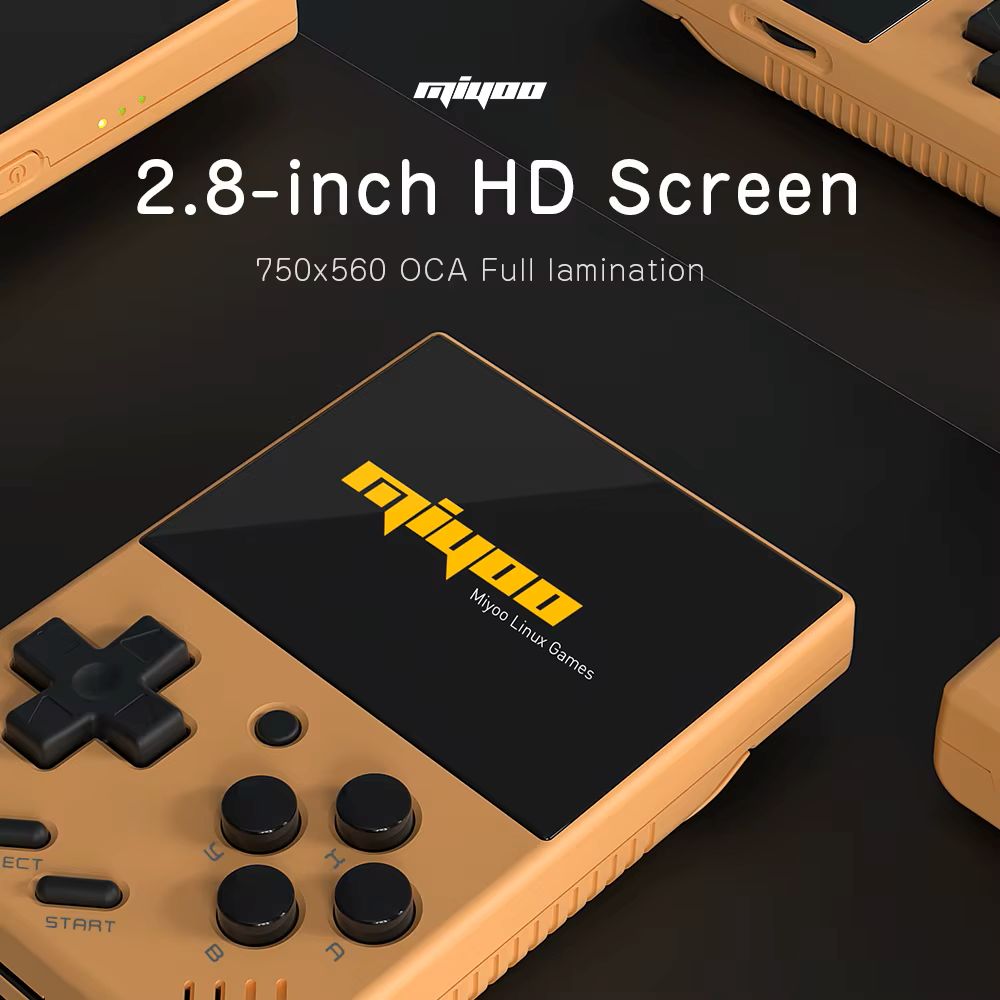
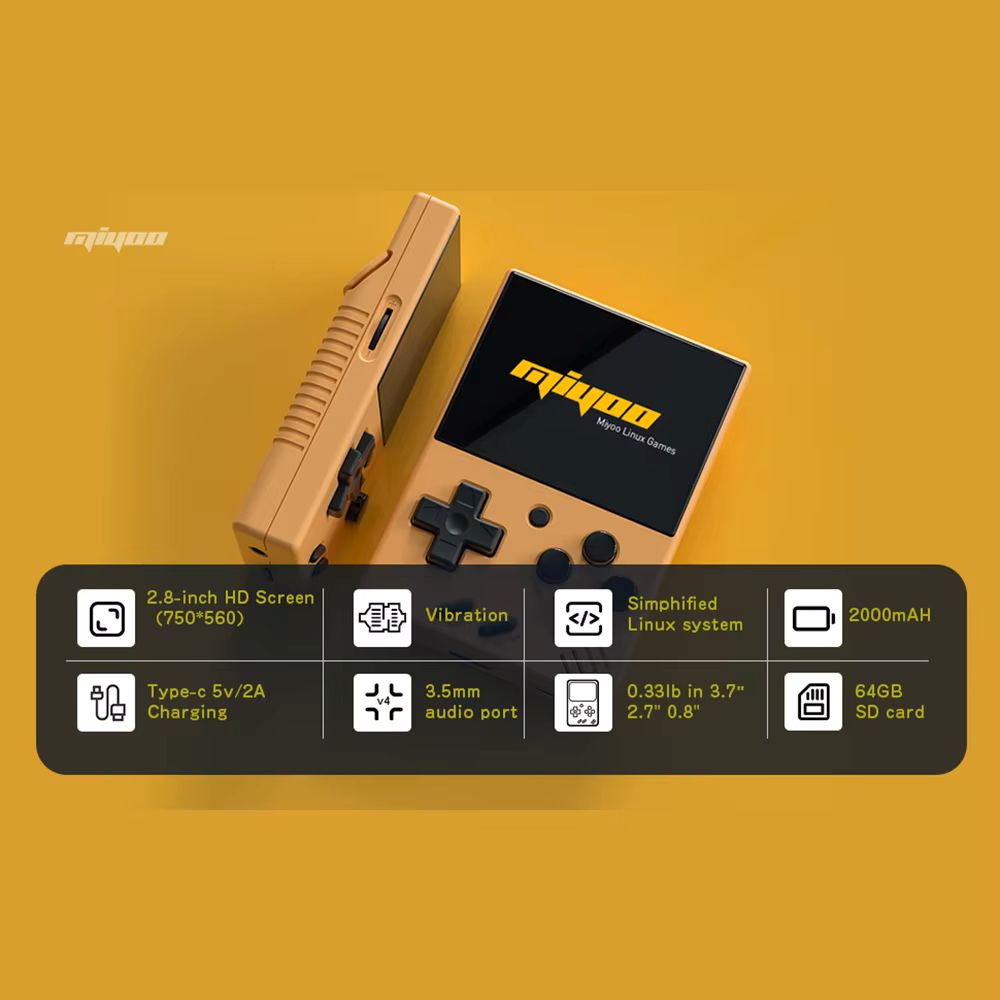
The screen of the Miyoo Mini v4 is one of its biggest draws, offering a surprisingly rich visual experience for such a compact console. With 2.8 inches and a resolution of 750x560, it delivers excellent pixel density, resulting in sharp images and vibrant colors that highlight every detail of retro games. Even titles with simpler graphics benefit from the screen’s quality, enhancing immersion and making gameplay more enjoyable.
The presence of IPS technology ensures wide viewing angles, allowing play from different positions without compromising visual quality. This is especially useful in varied lighting or when sharing the screen.
Miyoo Mini v4 Battery: 2000mAh with Up to 5 Hours of Gameplay
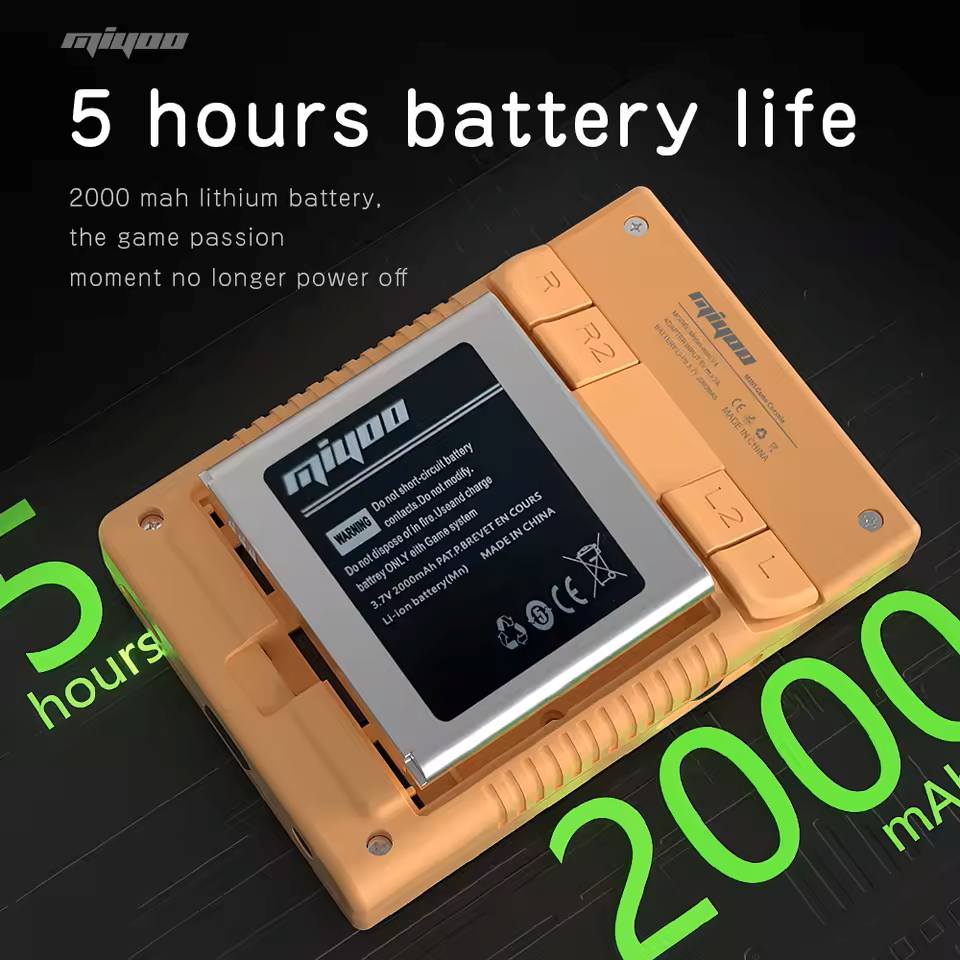
The 2000mAh battery offers an average autonomy of 4 to 6 hours, depending on the type of emulation and usage intensity. Lighter games consume less power, allowing longer sessions. More demanding titles may reduce battery life, but it still stays within a comfortable range.
The console supports fast charging via USB-C, taking about 1 to 2 hours to reach full charge. The combination of solid autonomy and efficient recharging reinforces the Miyoo Mini’s portable appeal.
Miyoo Mini v4 Processor and Storage: Discreet Power
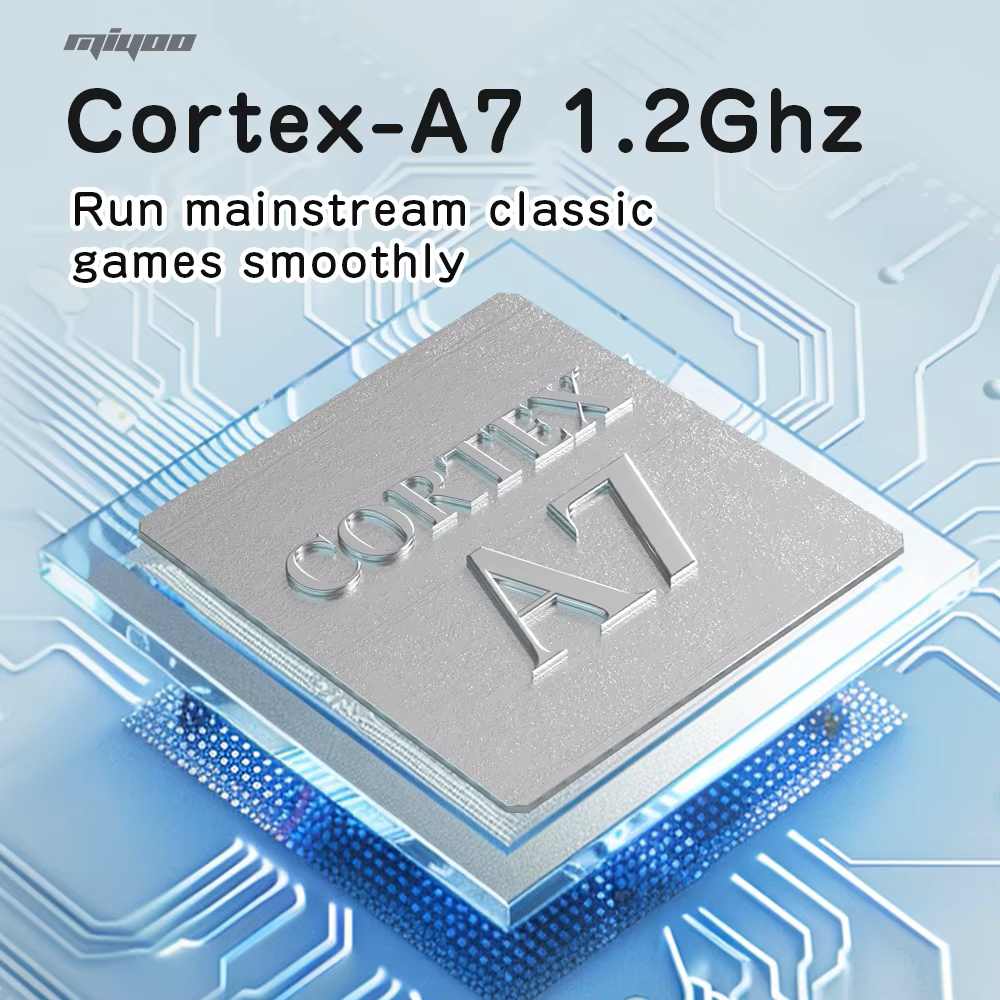
The Miyoo Mini v4 is equipped with the Sigmastar SSD202D dual-core 1.2 GHz processor, which, despite sounding modest, delivers stable and smooth performance for emulating platforms up to PlayStation 1. Even in more demanding titles, the console runs without stutters or crashes, ensuring a consistent experience.
In terms of storage, it’s sold with microSD cards of 32GB, 64GB, or 128GB, usually preloaded with thousands of classic games.
Miyoo Mini v4 OS + Emulable Platforms: Retro Versatility
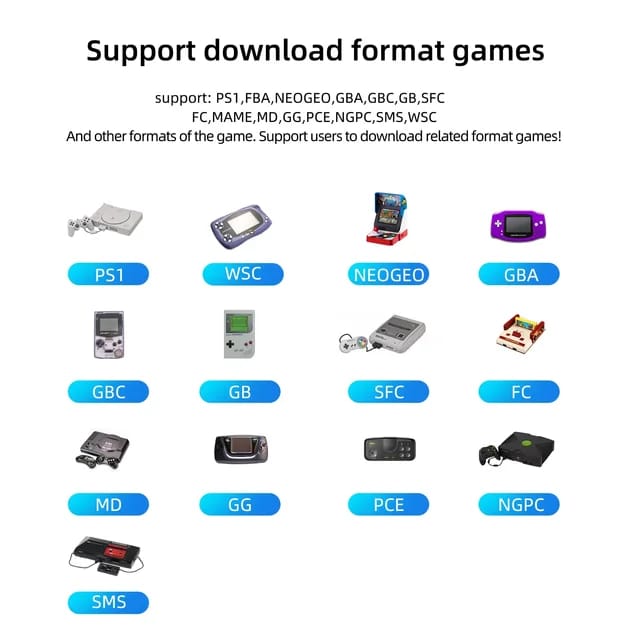
The operating system of the Miyoo Mini v4 is Linux-based, with a custom interface that supports Onion OS, one of the most popular platforms among emulation enthusiasts. This interface offers frequent updates, intuitive game organization, and advanced customization, allowing tweaks to themes, performance, and even graphic filters.
Platforms That Run Flawlessly:
- Arcades: CPS, FBA, MAME
- 8- and 16-bit Consoles: NES, Master System, Super Nintendo, Mega Drive
- 32- and 64-bit Consoles: PlayStation 1
- Handhelds: Game Boy, Game Boy Color, Game Boy Advance, Neo Geo Pocket, Nintendo DS
- And More
Platforms with Partial Support:
- Nintendo 64 (N64)
- Dreamcast (DC)
Miyoo Mini v4 Price: Affordable and Competitive
The Miyoo Mini v4 can be found on AliExpress for prices between $40 to $50, depending on the storage version and the chosen seller.
Is the Miyoo Mini v4 Worth It in 2025? Final Review and Alternatives
The Miyoo Mini v4 remains one of the most affordable, compact, and nostalgic options for portable emulation in 2025. With its retro design, 2.8-inch IPS screen, Sigmastar SSD202D processor, and Onion OS support, it delivers a fluid experience on platforms up to PlayStation 1, with great autonomy, intuitive interface, and an active community that keeps the system constantly updated. At $40 to $50, it’s hard to find another console this complete, well-built, and this small in that price range.
Among the alternatives, the Anbernic RG28XX offers a more robust build and solid performance, ideal for those who prefer a horizontal layout with larger buttons. The Miyoo A30 focuses on a bigger screen and more comfortable controls, making it a great choice for players who enjoy longer gaming sessions with expanded visual space. Meanwhile, the Miyoo Mini Plus retains the charm of the Mini v4 but brings improvements in connectivity, display, and ergonomics, serving as a direct evolution for those who want to keep the style but with enhanced features. Each model has its strengths, but the Mini v4 still stands out as the best value-for-money option for those who prioritize extreme portability.
