


The R26S was launched with the idea of being a compact retro handheld console, combining strong cost-effectiveness with simple yet functional features to run a wide variety of classic games. The big question is: is it really worth it? That’s what we’ll find out in this review.
Design
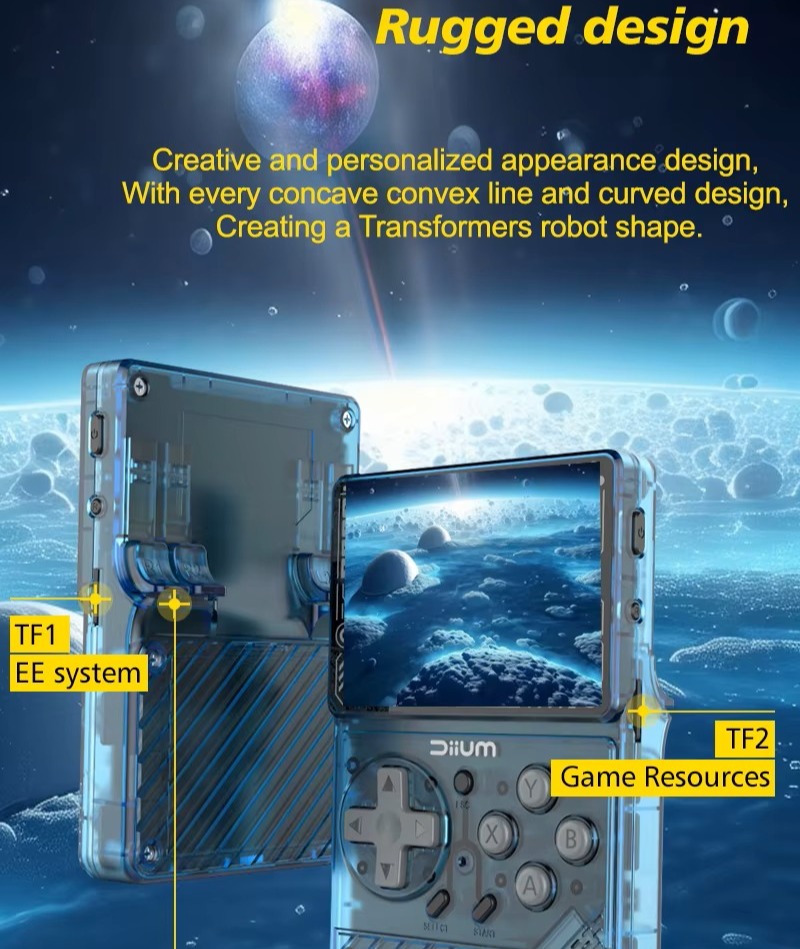
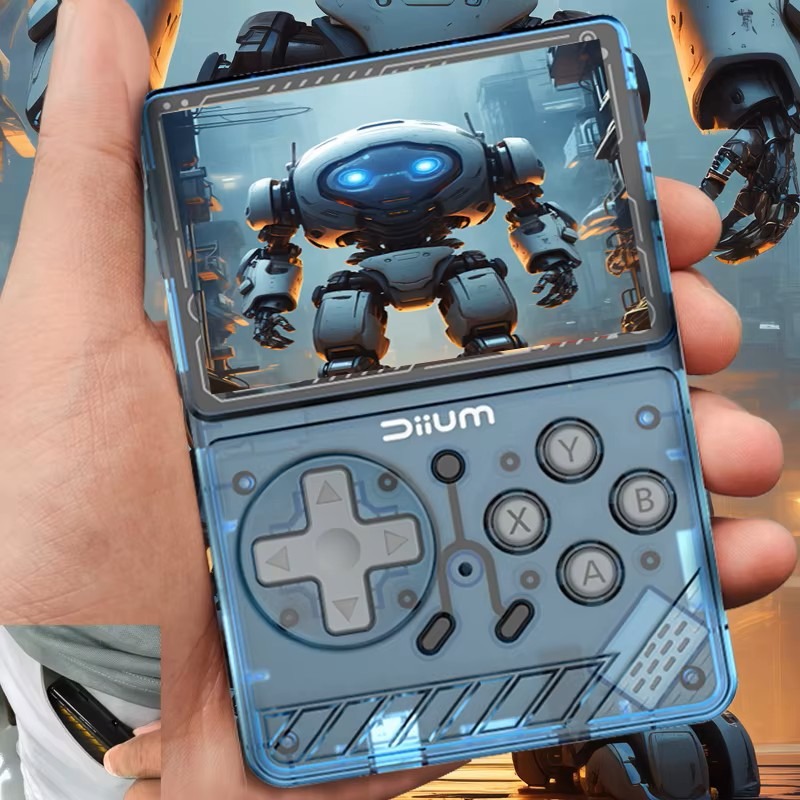
The design of the R26S is defined by its ultra-compact form, easily fitting into any pocket or backpack, which is its main highlight. This reinforces the concept of practicality and portability, making it an appealing choice for those who want a retro handheld console that can be carried anywhere effortlessly.
It also comes in several colors, including transparent, blue, black, purple, and a solid white option, allowing users to pick the style that best matches their preference.
Controls
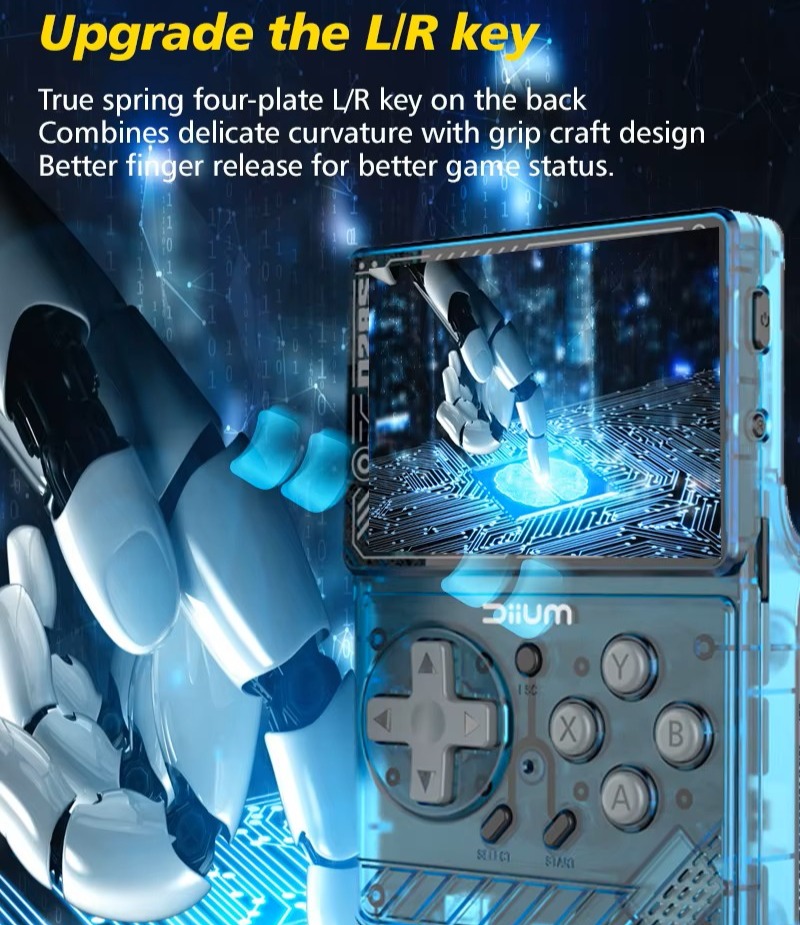
The controls are decent for its price range, featuring a cross-shaped D-Pad, along with ABXY, Select, Start, and Menu buttons, ensuring the essential functionality for retro gaming.
On the back, it includes L1, L2, R1, and R2 buttons, well-positioned for comfortable use. To maintain its compact design, the device skips analog sticks, reinforcing its role as a practical and budget-friendly retro console.
Connectivity
Connectivity is limited, reflecting its ultra-compact and cost-focused design. It offers a USB-C port for charging and data transfer, plus a 3.5 mm headphone jack, covering the basics without sacrificing convenience.
Another key feature is the dual microSD slots—one for the operating system and another for games—making organization easier and adding flexibility.
Screen
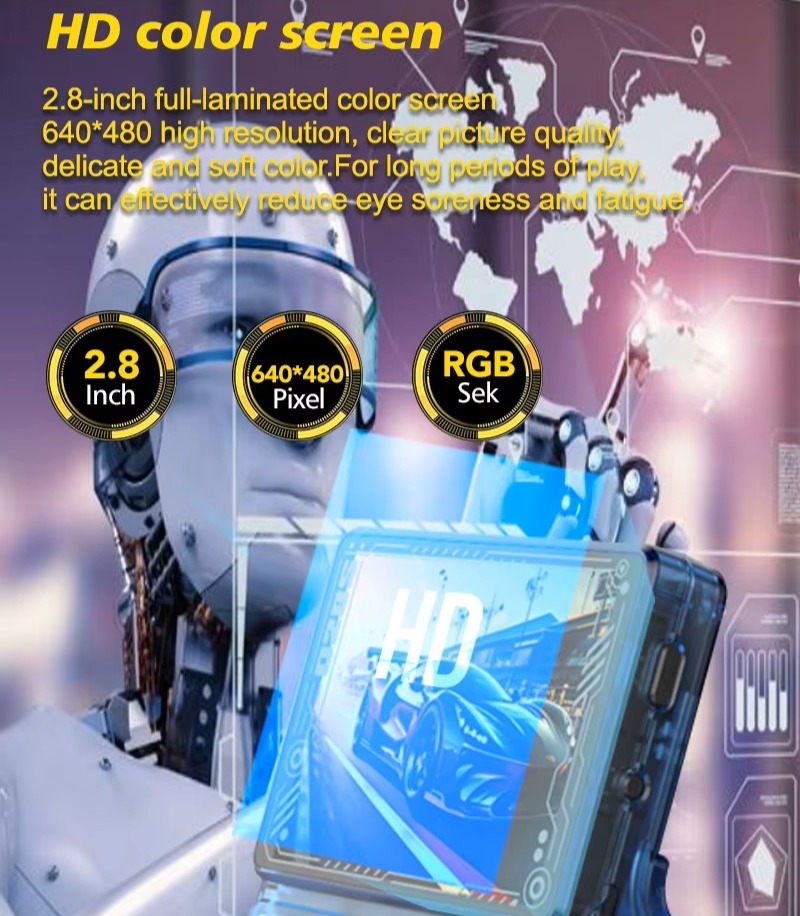
The 2.8-inch IPS display delivers a resolution of 640 × 480 pixels with a 4:3 aspect ratio, ensuring excellent visual fidelity for retro consoles.
The 4:3 format is especially suitable for classic games, as it preserves their original proportions and avoids black bars on the sides.
Battery
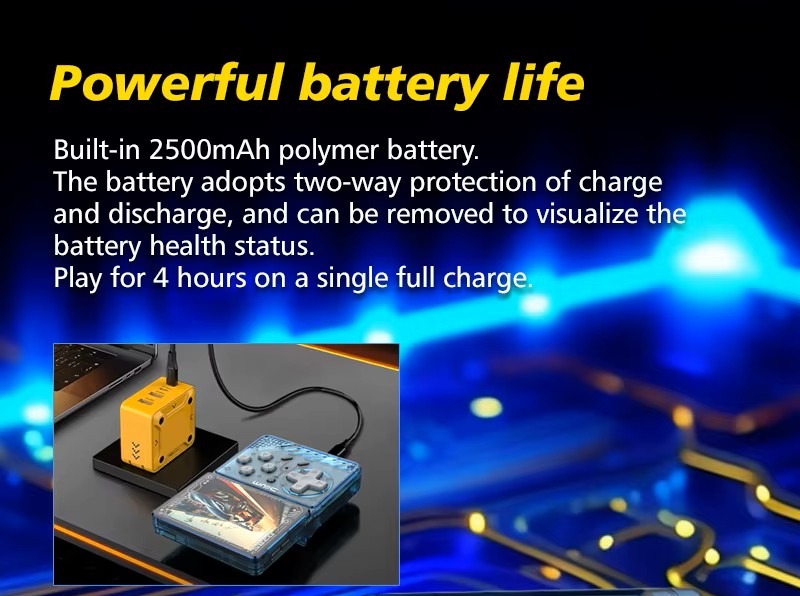
The battery is modest but fitting for its compact size, with 2500mAh capacity, offering 3 to 5 hours of gameplay.
Charging is handled via USB-C with fast-charge support, taking about 1 to 2 hours for a full recharge.
Processor and Storage
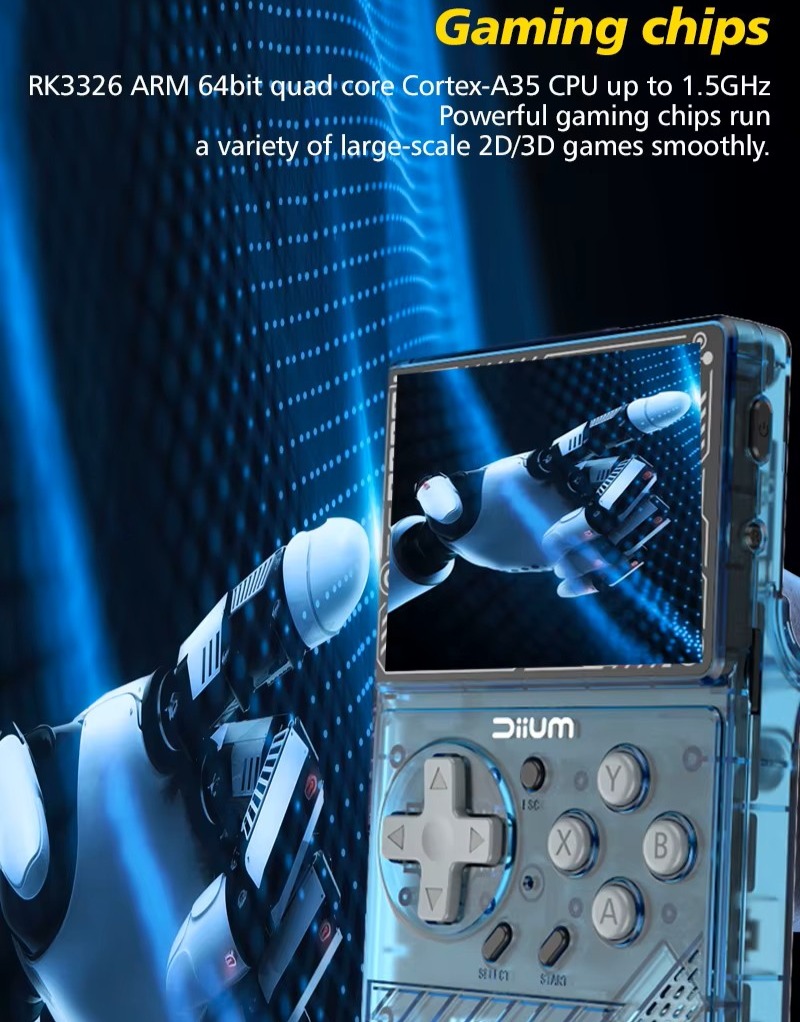
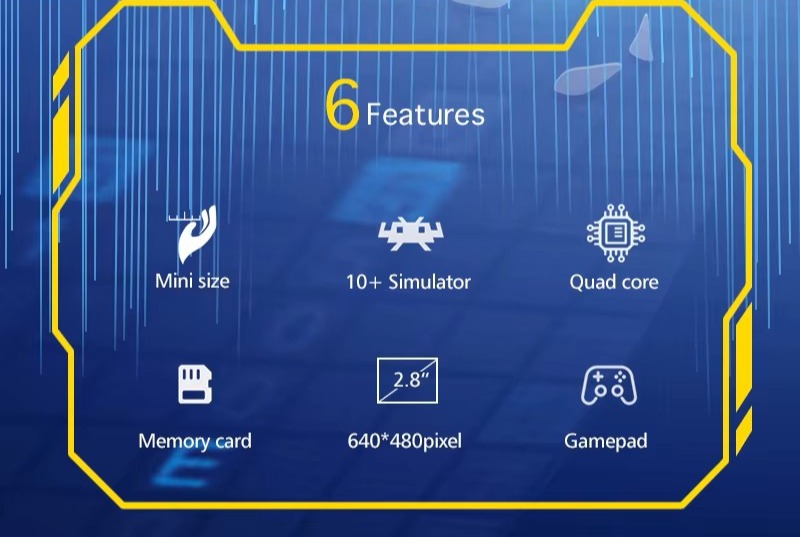
The R26S is powered by the RK3326 quad-core chip paired with 1GB RAM, a simple yet efficient setup that ensures smooth performance in emulators up to the PlayStation 1 and Nintendo 64, while also running many PSP titles with good stability.
For storage, it comes in 64GB or 128GB versions via SD card, often preloaded with thousands of games, so players can start enjoying it right away.
Operating System + Emulatable Platforms
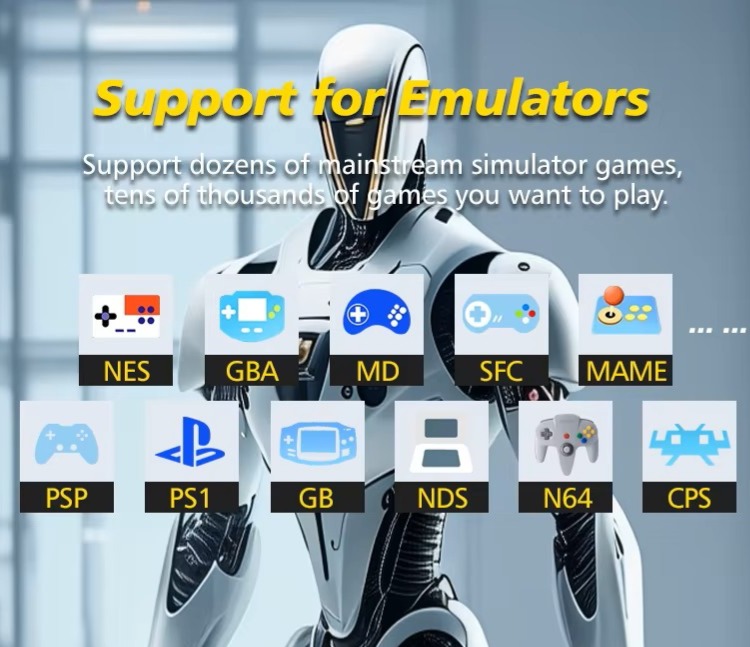
The system is Linux-based, offering a straightforward and intuitive interface, organized by console, making navigation easy for both beginners and experienced players.
Perfectly supported platforms include:
- Arcades: CPS, FBA, MAME
- 8 & 16-bit consoles: NES, Master System, SNES, Mega Drive
- 32-bit consoles: PlayStation 1
- Handhelds: Game Boy, Game Boy Color, Game Boy Advance, Neo Geo Pocket, Nintendo DS
Partially supported platforms (many titles run well):
- Dreamcast (DC)
- PlayStation Portable (PSP)
- Nintendo 64 (N64)
Price
The R26S currently sells for around $30 to $40 on AliExpress.
Is the R26S Worth It in 2026? Final Analysis & Alternatives
The R26S stands out as one of the best entry-level options for those who want to relive classics from the SNES and Mega Drive without spending much. Its compact design, quality IPS screen, and multi-platform compatibility make it a versatile and affordable console.
While it has limitations in advanced emulation and lacks modern connectivity, it delivers solid value for casual players and retro gaming enthusiasts. In 2026, the R26S remains a smart choice for portable fun at a fair price.
Alternatives to the R26S:
- R36 Ultra: Best cost-benefit among vertical models, with a square screen, full connectivity, and solid build.
- Trimui Smart Brick: Compact handheld with metal parts, quality screen, and strong focus on portability.
- Miyoo Mini Plus: Popular for its active community, good build, sharp display, and full connectivity—ideal for total portability.
- R36T Max: Great cost-benefit, featuring a screen that simulates CRT TVs, enhancing immersion and authenticity.
